Converting raw biochar into industrial biocarbon
Kore deploys the Kore-3500 at biochar production sites to convert biochar into proprietary Kore Pellets for horticulture, remediation, and reclamation.
How it works
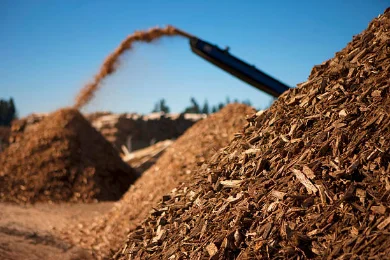 Feedstock
Wood processors generate offcuts and other residues that can be used to make biochar.
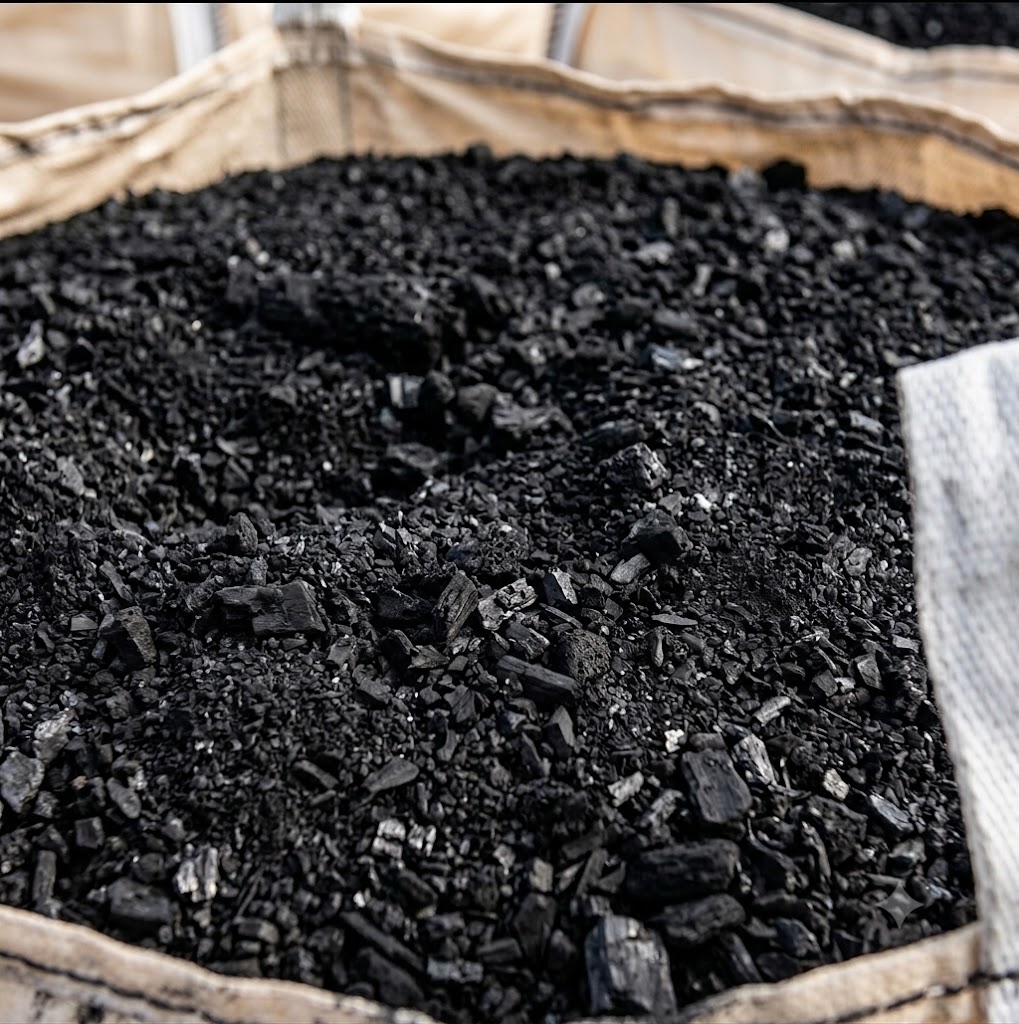 Intermediate Material
Producers pyrolyze milled residues into biochar, generating process heat and carbon removal credits.
 Finished Product
Kore deploys the Kore-3500 at existing producer sites to convert raw biochar into Kore Pellets.
What Kore sells
Biocarbon pellets for industrial applications
Kore’s patent-pending process combines low-pressure pellet formation with a carbon-rich binder and controlled thermal curing. The process is designed to strengthen the pellet while preserving the pore structure that gives biochar its functional value.
* Performance targets are currently being validated and are subject to change.
Inside the Kore-3500
How the Kore-3500 produces Kore Pellets
Where Kore Pellets are used
A consistent carbon product built to spec
Procurement teams don’t want to manage dozens of individual biochar suppliers. Kore aggregates that supply into one product, one supplier relationship, and one rigorous quality standard.
-
Horticulture Growing Media
Primary marketGrowing-media manufacturers need inputs that blend cleanly and move reliably through high-volume equipment. Kore Pellets deliver biochar’s water- and nutrient-holding properties in a form built for industrial handling.
-
Environmental Remediation
Expansion marketBiochar offers a powerful platform for trapping contaminants and supporting damaged soils. Kore is investigating how Kore Pellets can be paired with biological treatments to address contaminated soils at brownfields and legacy oil and gas sites.
-
EAF Steelmaking
Future marketSteelmakers use fossil carbon to control steel chemistry and support electric arc furnace operations. Kore is evaluating Kore Pellets as a renewable alternative to anthracite, coke, and petcoke.
-
Mine Reclamation
Future marketMine reclamation projects need soil amendments that can be transported, spread, and incorporated efficiently. Kore Pellets are being designed to immobilize contaminants and support revegetation during concurrent reclamation.
Meet the team behind Kore Refining

Commercial strategy, market development, partnerships, and company building.

Process engineering, product development, and manufacturing scale-up.